A great startup begins with an idea. However, turning that idea into a business requires much more.
Entrepreneurs must understand their customers, identify market opportunities, and explain what makes their solutions different. They also need to communicate their vision clearly.
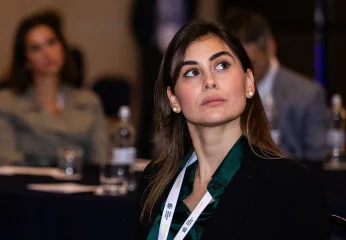
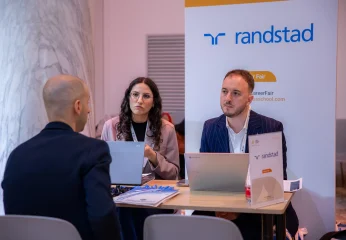
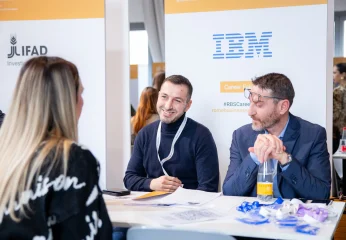
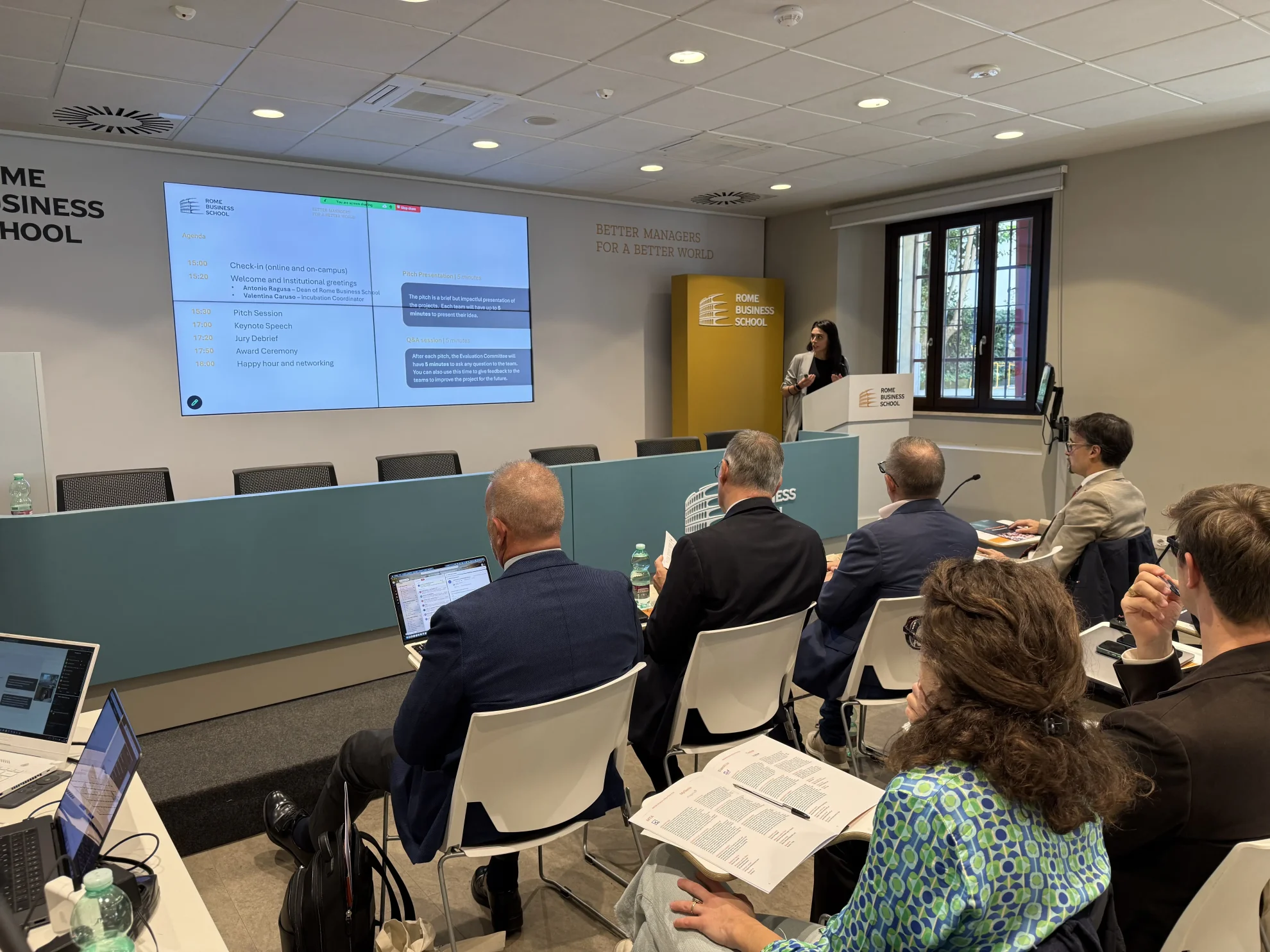
The Pitch Day gives students the opportunity to practise these skills. They present their projects, explain the problems they want to solve, and show how their ideas could create value.
Moreover, they learn to communicate with confidence and think critically about their business models. These experiences help students connect classroom knowledge with real entrepreneurial challenges.
Through initiatives such as RBS4Entrepreneurship, Rome Business School encourages students to explore new possibilities. As a result, they can develop the skills and mindset they need to pursue their entrepreneurial ambitions.
This edition featured seven projects across fashion, e-commerce, pet care, gifting, artificial intelligence, culture, and moving services. Each startup approached its market from a different perspective. Nevertheless, they all shared one goal: to turn innovative ideas into useful solutions.
LOKI won the latest RBS4Entrepreneurship Pitch Day. The startup aims to simplify pet ownership in Italy through an all-in-one digital platform.
The app brings several essential services together in one place. These include a lifelong digital health passport for pets, veterinary appointment bookings, lost-pet alerts, and a pet supplies marketplace.
As a result, pet owners can access different services through a single digital solution. LOKI aims to make everyday pet care simpler, more convenient, and more connected.
The team: Luigi Pacini and Efe Mustafa Turkyilmaz, students of the International Master in Entrepreneurship and Innovation.
LOKI shows how entrepreneurs can find opportunities in everyday challenges. By understanding a common need, the team developed a digital concept that aims to make life easier for pet owners.
Independent designers and artisans often face challenges when they try to reach international markets. ANOMALE aims to help them connect with global luxury buyers.
The startup combines a curated global marketplace with an editorial platform. In this way, it brings independent creative talent closer to an international audience.
Furthermore, ANOMALE highlights the value of craftsmanship and independent design in the global luxury market.
The team: Ana Paola Bonelli and Rushati Chowdhury, students of the International Master in Fashion Management.
How can independent Italian boutiques reach customers around the world? BOTTEGAMALL aims to answer this question with an all-in-one e-commerce platform.
The project helps independent boutiques expand their digital presence and reach international consumers. Therefore, it creates new opportunities for retailers that want to grow beyond their local markets.
The founder: Vick Dini, an Executive Master in Marketing student.
BOTTEGAMALL demonstrates how digital platforms can help traditional businesses explore new markets and connect with more customers.
Choosing the right gift can sometimes feel overwhelming. MYGENIE aims to make the experience easier with a social gifting platform.
The platform helps people choose and receive gifts more easily. At the same time, it focuses on making gift-giving a more intuitive and engaging experience.
By addressing a familiar everyday challenge, MYGENIE explores how digital innovation can make personal interactions more convenient.
The founder: Daria Di Napoli, an Executive Master in Project Management student.
Online fashion shopping offers convenience, but it can also create challenges for consumers. SIZEWISE explores how artificial intelligence can improve this experience.
The startup is developing an AI-powered fashion technology platform that aims to transform the way people shop for clothing online.
In particular, the project focuses on the potential of technology to improve digital fashion experiences and respond to changing consumer needs.
The team: Faizal Nunes and Noura Abou Fakher, students of the International Master in Entrepreneurship and Innovation.
SIZEWISE highlights the growing opportunities at the intersection of technology, fashion, and consumer experience.
Culture brings people together. However, discovering cultural events and connecting with creative communities can sometimes be challenging.
ATEMPO aims to bridge this gap through a platform that connects content, events, and communities. It brings artists, curators, cultural venues, and audiences together to help cultural ideas come to life.
Rather than focusing only on individual events, ATEMPO encourages connections between people and cultural experiences.
The founder: Elroy Arancibia, an International Master in Arts and Cultural Management student.
The project shows how entrepreneurship can also support the cultural sector. By connecting people and ideas, ATEMPO aims to create new opportunities for cultural discovery and collaboration.
Moving home often involves multiple phone calls, quotes, and comparisons. TRASLOK aims to make this process faster and easier.
The platform connects users with verified moving companies in just three clicks. Meanwhile, moving companies can compete for customers, giving users a more straightforward way to explore their options.
As a result, TRASLOK aims to reduce the time and effort involved in organising a move.
The founder: Elia Sambin, an International MBA student.
TRASLOK demonstrates how a simple digital solution can address a practical problem and improve an everyday service.
The seven projects explore different industries. Yet they share several important entrepreneurial principles.
Most importantly, these startups show that innovation does not always require inventing something entirely new. Sometimes, the best opportunities come from making an existing experience simpler, more accessible, or more valuable.
Entrepreneurship requires more than creativity. It also demands strategic thinking, teamwork, adaptability, and effective communication.
For students, developing a startup provides an opportunity to bring these skills together. They learn to evaluate ideas, consider customer needs, and explain the value of their solutions.
Furthermore, experiences such as the RBS4Entrepreneurship Pitch Day encourage students to take initiative and approach challenges with an entrepreneurial mindset.
At Rome Business School, initiatives like this create opportunities for students to explore their ambitions and engage with the world of innovation. They also show how ideas from different academic backgrounds can lead to projects across a wide range of industries.
The latest RBS4Entrepreneurship Pitch Day celebrated seven student-led ventures and the ambition behind them. LOKI took the top spot, while the other six startups demonstrated the diversity of ideas within the Rome Business School community.
However, the most important lesson goes beyond the competition.
Every entrepreneur starts somewhere. You do not need to have every answer before taking the first step. Instead, start by identifying a problem, understanding the people affected by it, and exploring a possible solution.
Then, test your idea, learn from feedback, and keep improving.
The next innovative startup could begin with a question you ask today. And, with the right mindset and determination, that question could become your next entrepreneurial venture.