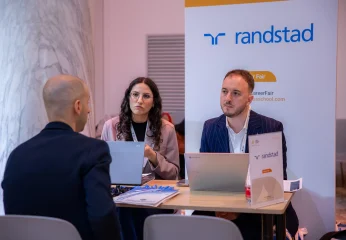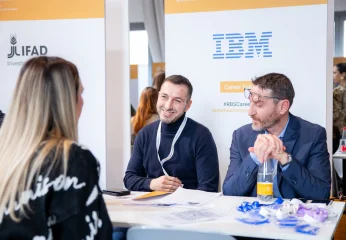
On September 25th, Rome Business School students had the opportunity to take part in an exceptional ECB company presentation titled “Work for Europe, Make a Difference“. During the session, Mario Weber, a TA Trainee at the institution, guided participants through the core of European monetary policy and banking supervision, offering an insider’s look at one of the continent’s most influential institutions. Much more than a standard corporate presentation, the event served as a true educational journey inside a dynamic, multicultural organization deeply committed to global social and economic impact.
Operating in today’s economic and financial sector requires a deep awareness of how every single strategic decision ripples across interconnected markets and impacts millions of citizens globally. Today, institutions and major organizations in the field look for professionals capable of mastering price stability, risk management, and the supervision of complex financial systems not just as theoretical concepts, but as concrete levers for economic growth. For those looking to build a successful career, developing a solid macroeconomic vision and sharp critical analysis skills is essential to making a real impact on international market dynamics.
The economic and financial landscape is undergoing a profound transformation driven by technological innovation and sustainability. Key trends reshaping the profile of in-demand professionals include:
Acquiring expertise in these frontier areas allows young talent to position themselves at the heart of renewal processes, meeting the growing demand for flexible, tech-savvy professionals.
The most advanced and competitive workplaces today rely on organizational models rooted in inclusion, employee well-being, and the celebration of cultural and generational diversity. In international settings, professional success is sustained by:
Working at the highest levels requires not only outstanding technical skills, but also a strong aptitude for teamwork in multicultural settings and an open mindset toward international collaboration.
Navigating the recruitment processes of leading financial organizations and institutions demands methodological rigor, authenticity, and targeted preparation. Recruiters in the field advise against standardized applications, recommending highly personalized cover letters, the ability to communicate past experiences by highlighting tangible impact, and the use of structured frameworks—such as the STAR method—to showcase both soft and technical skills.
If you are interested in building a successful career in the international economic and financial sector and want to develop the analytical and strategic skills demanded by this market, the International Master in Finance at Rome Business School provides the ideal tools and insights to tackle these professional challenges.