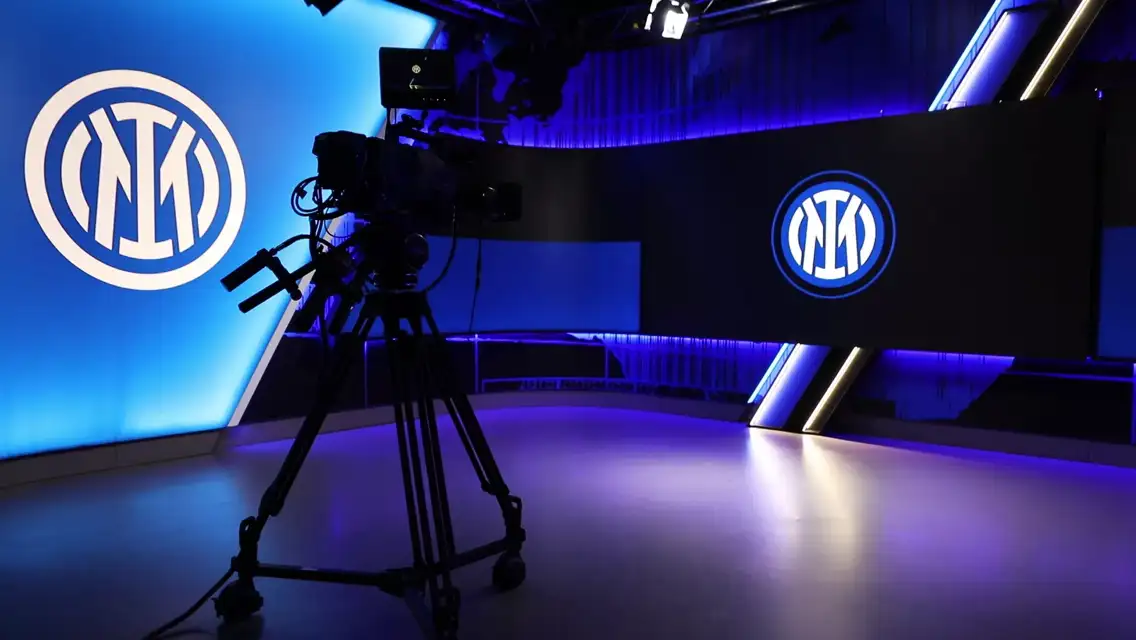
To gain a close-up understanding of the details of this profession, Rome Business School hosted an exclusive company visit with FC Internazionale Milano. The meeting with Nicolò Fabris, Media Operation Specialist for the Nerazzurri club, offered a concrete overview packed with useful advice for anyone wishing to pursue this career or already taking their first steps in sports management.
This figure represents the junction point between the sports club and global media (television, radio, print, and digital platforms). Their main objective is to ensure that the communication machine runs smoothly, protecting the club’s registered members and maximizing the production value of the event.
The core activities of this role include:
Anyone wishing to work in this field must abandon the idea that sports jobs are all about the adrenaline of the live event. As highlighted by the field experience at Inter FC, media management is a science based on error prevention.
Eighty percent of a Media Operations Specialist’s work is done before the event. Only the remaining twenty percent relates to live operations during the ninety minutes of play. Arriving at matchday with predefined scenarios and tested workflows is the only way to manage the pressure of a globally broadcast live event, where television slots are calculated to the exact second.
A true professional proves their worth in times of need. When organizing media activities, the approach changes drastically depending on whether the situation is ordinary or a crisis context triggered by sporting or corporate dynamics.
In these situations, the Media Operations Specialist must move with extreme diplomacy. While the logistical priority remains respecting the needs of the coach, executives, and players, it is equally vital to understand and facilitate the journalists’ work. Developing professional empathy means knowing how to anticipate the demands of the press and the audience watching from home, while firmly maintaining the boundaries of the club’s corporate strategy.
A close analysis of a top international club like Inter clearly reveals the requirements demanded by today’s market for those looking to become a media operations professional in sports:
The experience shared during the company visit at Rome Business School confirms that the path to excellence in sports business requires high standards from oneself. For those wishing to acquire operational tools and take their first steps in this industry, specialized academic paths such as the International Master in Sport and Lifestyle Management at Rome Business School offer targeted training. Treating every single field opportunity as a learning laboratory, constantly challenging oneself, remains the essential path to transforming a passion for sports into a solid managerial career.