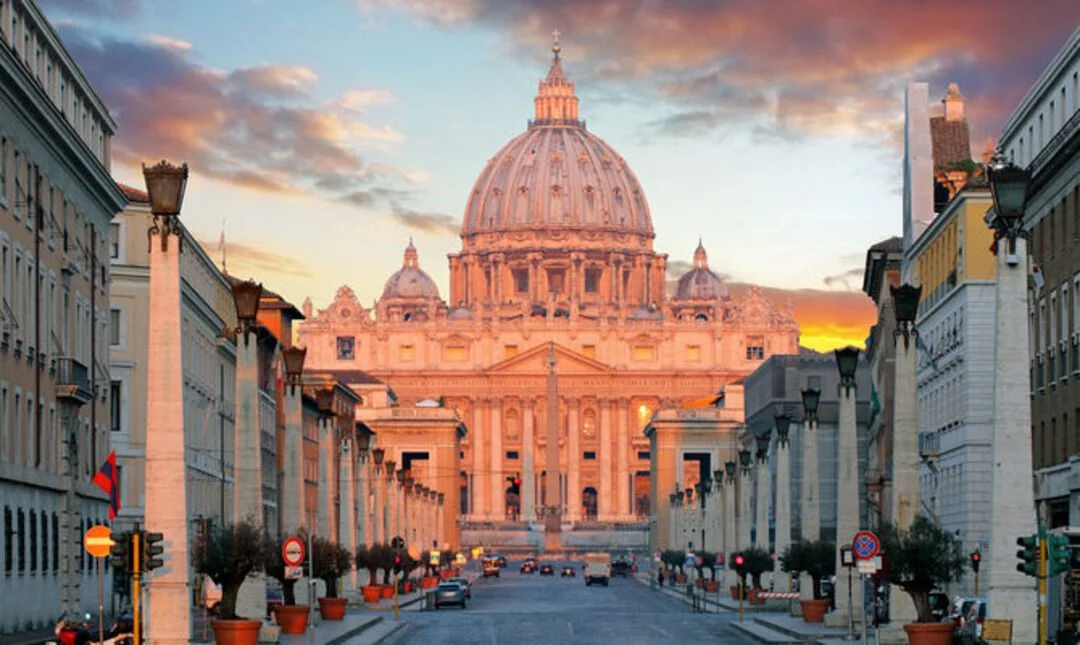
Italy is home to some of the world’s oldest universities and welcomes over 100,000 international students every year. Yet when European students consider studying abroad, Italy is often overlooked in favour of the UK, the Netherlands, or Spain.
That’s a mistake worth reconsidering. Between its world-class academic institutions, booming business ecosystem, and one of the most liveable capital cities in Europe, Italy, Rome in particular, offers a study experience that genuinely shapes careers.
Here are the top six reasons international students choose Italy:
Tuition fees in Italy are significantly lower than in the UK, the US, or even the Netherlands. At private business schools, you can expect to pay between €7,400 and €16,500 per year for a master’s programme — compared to £20,000–35,000 typically charged to international students at comparable UK institutions.
Italian universities are part of the Bologna Process, which means degrees are recognised within the European higher education framework. Whether you’re from Germany, France, or Poland, your Italian master’s is fully compatible with European academic and professional standards.
A growing number of programmes, particularly at business schools, are now delivered entirely in English, removing the language barrier that once discouraged international applicants.
Most people think of Milan when they think of Italian business. But Rome is where policy, diplomacy, and international commerce intersect. The city hosts the headquarters of United Nations agencies such as the FAO and IFAD, making it a unique environment for students interested in international development, sustainability, and global governance.
Major multinationals including ENI, Enel, and Generali have significant operations in Rome, alongside a thriving ecosystem in luxury, hospitality, agribusiness, and creative industries. For business students, this translates into real networking opportunities, internships, and company partnerships built into their programmes.
The most compelling reason to study in Italy isn’t the history or the food — it’s what happens after graduation.
Graduates of Rome Business School pursue careers across a wide range of industries and functions, including consulting, finance, marketing, operations, technology, and human resources, both in Italy and internationally. The combination of an internationally recognized business school, a diverse student community representing more than 160 countries, and strong connections with employers helps students enhance their employability and expand their professional opportunities.
At Rome Business School, career development is integrated into every programme. Students benefit from a dedicated Career Services team, access to a global alumni community, and connections with a network of more than 1,000 partner companies worldwide.
Explore master’s programmes designed for international careers at Rome Business School →
Compared with several major European capitals, Rome generally offers a more affordable cost of living for students, particularly in terms of housing and everyday expenses.
The city is increasingly international, particularly in areas frequented by students and young professionals. At international business schools, courses, student services, and many networking events are conducted in English, making it easier for international students to adapt and build connections.
Beyond practical considerations, Rome offers a unique cultural environment. Living and studying in a city shaped by centuries of history, art, politics, and commerce provides an experience that extends well beyond the classroom and contributes to a broader international perspective.
Italy’s academic tradition runs deep. The University of Bologna, founded in 1088, is the oldest university in the Western world. That heritage matters in practice: That heritage continues to shape Italy’s higher education system, whose degrees are recognised throughout the European Higher Education Area and valued across international labour markets.
For business students specifically, it is worth considering schools that hold internationally recognised accreditations such as EQUIS or AACSB. These quality standards signal a commitment to academic excellence, continuous improvement, and internationalisation, while helping students compare programmes against globally recognised benchmarks.
One of the often-overlooked advantages of studying in Rome is the opportunity to build an international network. Italian business schools attract students from a wide range of countries and backgrounds, creating diverse classrooms where different perspectives, experiences, and cultures come together.
Rome also plays an important international role as a centre for diplomacy, international organisations, and non-governmental institutions. As a result, students have access to a multicultural environment where cross-cultural communication and collaboration are part of everyday life, both inside and outside the classroom.
Browse master’s programmes at Rome Business School and find the one that fits your career goals.
→ Explore programmes at romebusinessschool.com
Yes. Italy offers high-quality education, internationally recognised degrees under the Bologna Process, and significantly lower costs than the UK or Netherlands. For business students, cities like Rome provide direct access to corporate networks and multilateral institutions.
Absolutely. Rome combines academic quality with a unique business ecosystem — UN agencies, multinationals, and a thriving entrepreneurial scene — alongside a cost of living well below other European capitals. The international exposure and network value are difficult to replicate elsewhere.
Yes. A growing number of Italian universities and business schools offer master’s programmes taught entirely in English. Rome Business School, for example, delivers all of its master’s programmes in English, specifically designed for international students.
Most international students find that living in Rome is generally more affordable than in many major northern European cities. Accommodation, food, transport, and leisure costs are often lower than in destinations such as Amsterdam or London, helping students manage their budgets more effectively.