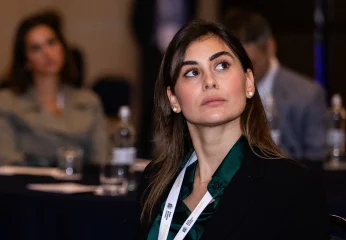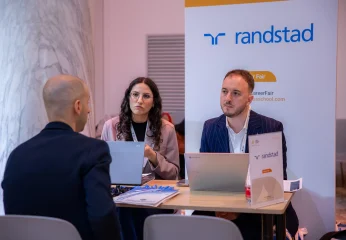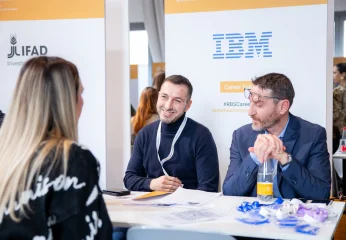
On July 17th, Rome Business School hosted a company presentation on one of the most current topics in the hospitality industry. The topic was the shift from the traditional hotel to a hybrid model that blends hospitality, coworking, and community. The session was led by Gaia Comandini, Director of Membership at The Social Hub. She gave students a direct look at how a community-driven brand is built, from an organisational and strategic perspective.
The session is part of Rome Business School’s ongoing series of company presentations. These are designed to put students in direct contact with professionals who deal with industry transformation firsthand. It’s a chance to see up close how business strategies translate into concrete operational choices.
“Hybrid hospitality” is a business model that blends hotel stays, coworking, and shared living spaces into a single offer. Behind this shift lie several parallel trends. Flexible work is on the rise, international student mobility keeps growing, and demand is shifting toward more “experiential” stays that go beyond a standard hotel room.
It’s no coincidence that many operators are repurposing disused urban spaces — former factories, historic venues — into multi-use buildings. These spaces are designed to host students, traveling professionals, and anyone looking for a place to live and work within a community setting. This is exactly the dynamic Comandini described as a concrete example of how the industry is responding to these new demands: no longer just rooms to rent, but urban ecosystems where living, working, and socializing become part of the same experience.
One of the most interesting points to emerge from the session is the strategic use of community as a marketing tool. This happens through the “membership economy” model: loyalty doesn’t come only from the product itself — a room, a desk. It comes from access to a network of relationships, events, and shared experiences.
It’s a practical application of what sociology calls a “third place”: a space distinct from home and work, where people choose to spend time because they find a sense of belonging there. A growing number of brands — not only in hospitality — are investing in this kind of community. The goal is to boost engagement and stand out from competitors, turning physical spaces into social reference points as well as functional ones.
This approach also has a direct impact on revenue. An active, loyal community generates organic word of mouth and increases average user retention. It also opens the door to new revenue streams, such as paid events, local partnerships, and add-on services.
Community management has become a discipline in its own right, sitting somewhere between marketing, event management, and hospitality. Companies betting on this strategy are creating increasingly specific roles, such as community manager, membership lead, and coworking manager. Their responsibilities range from:
These are skills in demand not only in hospitality, but across any business that relies on experience and engagement as a competitive edge. This spans retail, lifestyle, real estate, and corporate events.
The Social Hub’s case shows how hospitality is evolving toward increasingly hybrid models. Community management, experiential marketing, and space management are becoming central skills for anyone building a career in this field. It’s a sector that increasingly calls for professionals able to move between business strategy, people management, and long-term vision.
If you’re interested in hospitality trends, experiential marketing, or community management, Rome Business School’s Master in Hospitality & Tourism Management helps you develop exactly these skills. Contact our Admissions team to discover the programme that best fits your career goals.