Hunger is not only a humanitarian emergency. It is one of the greatest challenges of our time: a systemic issue that connects food access, nutrition quality, sustainable agriculture, climate change, inequality, and economic models.
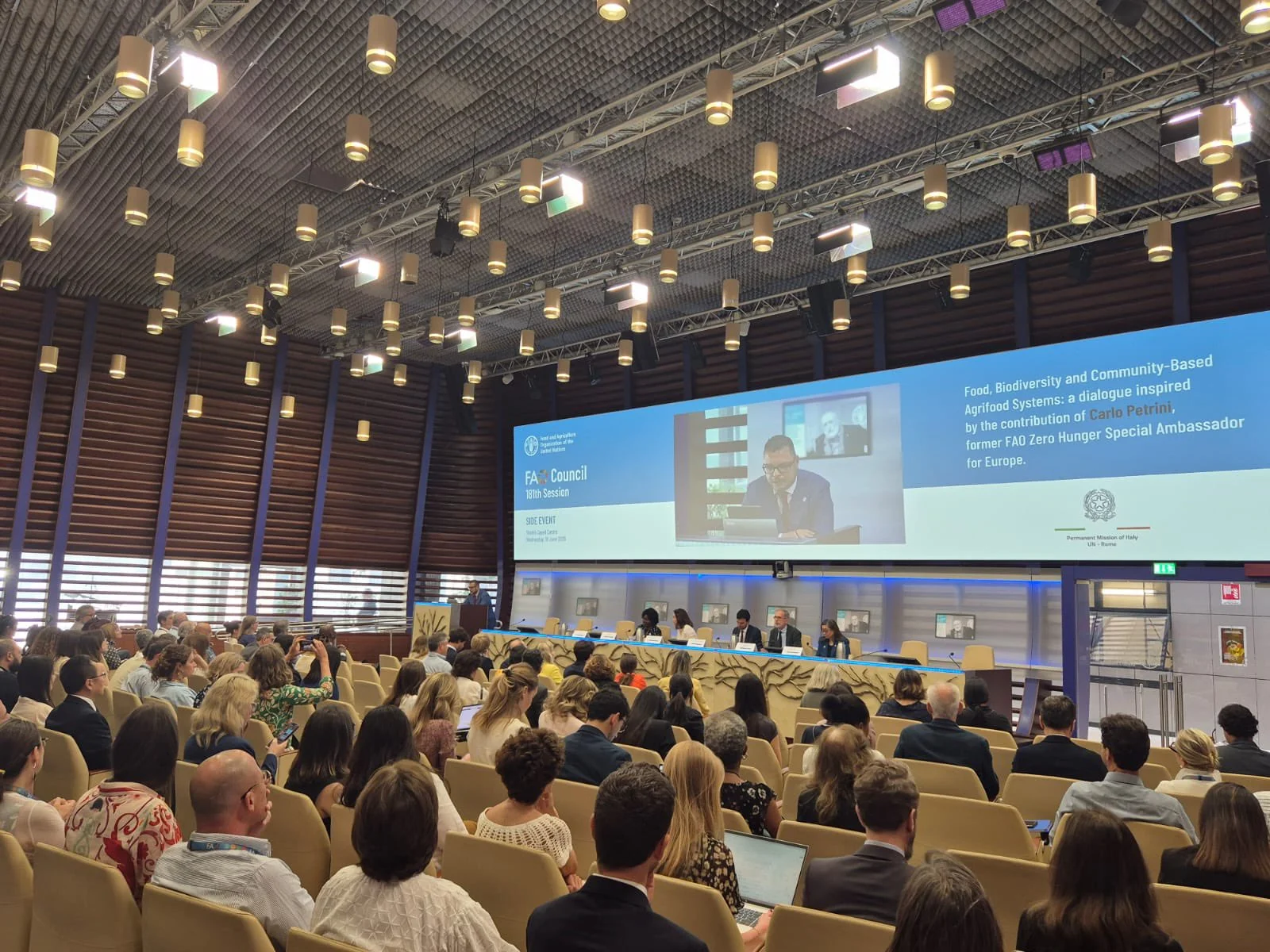
This perspective shaped the discussion led by Francisco Martinez Paredes, Communication Specialist and Multimedia Producer at FAO, during a session with students and alumni of Rome Business School focused on SDG 2: Zero Hunger and Malnutrition.
The conversation moved beyond a purely humanitarian view of hunger. It showed how achieving Zero Hunger also depends on the way companies, managers, and leaders design decisions, supply chains, innovation strategies, and long-term impact.
One of the key messages of the session was the need to overcome a common misunderstanding: SDG 2 is not only about “feeding people who are hungry”.
The challenge is much broader. Zero Hunger means ensuring access to nutritious food, promoting healthy diets, strengthening the resilience of food systems, and developing agricultural models that protect soil, water, biodiversity, and the climate.
The data presented during the session highlights the scale of the challenge. In 2023, 733 million people faced hunger, while more than 2.3 billion people experienced moderate or severe food insecurity. In addition, over 2.8 billion people could not afford a healthy diet.
These figures show that hunger does not depend only on how much food the world produces. It also depends on how economic, agricultural, political, and social systems work together.
The session highlighted a crucial point: Sustainable Development Goals are not only targets for governments, international organizations, or NGOs. They are also a strategic framework for businesses.
The SDGs identify unmet global needs and create opportunities for innovation. Renewable energy, precision agriculture, alternative proteins, circular economy models, climate technologies, and sustainable finance are examples of sectors that have grown in response to systemic challenges.
From this perspective, leadership is no longer measured only by short-term financial results. It is also measured by the quality of the future that those results help create.
The key question becomes: what value does a business decision generate beyond financial returns?
The discussion also connected SDG 2 with ESG principles. Food systems have a significant environmental impact through greenhouse gas emissions, deforestation, water consumption, and soil degradation.
At the same time, they directly affect communities, workers, farmers, and consumers.
This is where managerial responsibility becomes essential. Sustainability is not limited to communication strategies or compliance requirements. It requires transparency, ethical supply chains, accountability, and a long-term vision.
Companies operating in food production, retail, logistics, technology, or finance can contribute to solving the hunger challenge only if they understand it as a systemic issue.
The practical part of the session explored how some companies have transformed food-related and sustainability challenges into innovative business models.
Too Good To Go addresses the issue of daily food waste by using technology to connect consumers with surplus food. Patagonia shows how environmental responsibility can become a core element of a company’s operations and customer relationships. Impossible Foods focuses on food innovation by developing accessible plant-based alternatives in response to the growing demand for sustainable food choices.
The message is clear: the most impactful innovations often emerge where global needs remain unresolved.
The goal is not to choose between profit and positive impact. The goal is to create solutions where economic growth and social value can strengthen each other.
Another important insight came from the TRIZ methodology, which explains how innovation can emerge by solving apparent contradictions.
Producing more food without harming the environment, reducing costs while improving nutrition, or growing a business while maintaining sustainability are not impossible challenges. They are design problems that require creative solutions.
Regenerative agriculture, digital supply chains, food recovery platforms, circular economy models, and shared value strategies demonstrate how leadership can address complex system challenges.
The session concluded with a reflection on individual responsibility. Every professional, regardless of their sector, can contribute to SDG 2 through their skills, decisions, and professional activities.
Marketing, finance, operations, communication, entrepreneurship, supply chain management, and innovation can all become practical tools to address hunger, food waste, nutrition, and food system resilience.
For Rome Business School students and alumni, the discussion represented an opportunity to connect personal purpose, managerial skills, and global challenges.
Zero Hunger is not only a vision for the future. It is a call to action today. The greatest business opportunities of our time often emerge from the most urgent problems facing the world.