Luxury hospitality no longer depends only on service standards, interior design, or operational excellence. Today, leading hospitality brands create value through authentic connections between people, places, and communities.
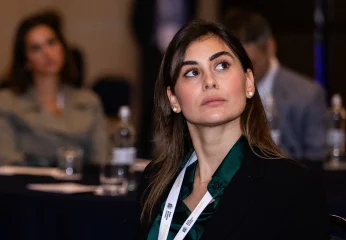
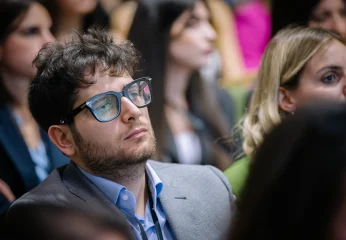
This vision emerged during a presentation by Luca Coltellacci, who introduced students to the cultural and organizational model of Rosewood Hotel Group.
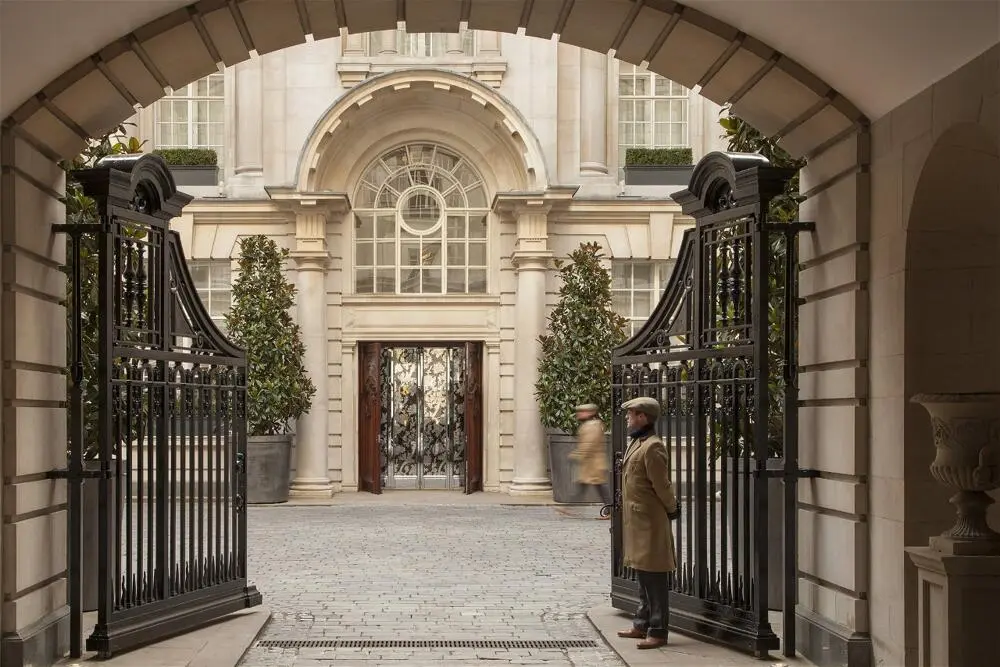
Rosewood sees hospitality as a deeply relational experience. Each property reflects the identity of its destination. The group highlights local culture, celebrates the spirit of place, and delivers highly personalized guest experiences.
The brand avoids standardized luxury. Instead, it creates unique stays that connect guests with local traditions, people, and stories.
Rosewood Hotel Group currently operates 54 properties across 25 countries. The company manages several brands with different market positions and guest experiences.
Rosewood Hotels & Resorts leads the ultra-luxury segment. The brand focuses on one-of-a-kind experiences and personal relationships with guests.
New World Hotels & Resorts targets the upper-upscale market. The brand operates more than 50 hotels in 25 countries and focuses on gateway cities and key Asian destinations. It serves business travelers, leisure guests, and the growing bleisure segment.
Asaya represents the wellness division of the group. The brand combines physical wellbeing, mental balance, and personalized wellness programs through a holistic approach.
This portfolio shows a clear strategy. Rosewood differentiates its brands while maintaining a strong cultural identity centered on authenticity, relationships, and attention to detail.
One of the key concepts presented by Coltellacci was “Relationship Hospitality.” This philosophy shapes both the guest experience and the relationship between the company and its employees.
Rosewood aims to create a future where people and places enrich each other. The group wants every stay to generate memories, emotional connections, and long-term value.
The same vision influences the employer branding strategy. Rosewood builds its employee value proposition around four core principles:
These principles support a culture of personal growth, authenticity, creativity, and meaningful impact.
During the presentation, Rosewood highlighted the strategic role of talent in luxury hospitality.
The group builds its internal culture around values such as innovation, passion, collaboration, ownership, and transparency. Employees receive space to contribute with autonomy, creativity, and responsibility.
In hospitality, people shape the quality of the guest experience. For this reason, attracting and retaining talent has become a competitive advantage.
Modern luxury travelers seek authenticity, uniqueness, and emotional connection. Hospitality professionals now need cultural awareness, relational skills, and a personalized approach to service.
Rosewood also explored the role of design and branding in luxury hospitality.
The group develops concepts that enhance the character of each property. Every detail contributes to the guest journey, from architecture to micro-design and personalized touchpoints.
Within the global luxury hospitality market, experiences continue to evolve toward lifestyle-oriented and highly curated stays. Personalization now goes beyond service. Every choice must create value for the guest.
Today, authenticity and uniqueness represent core expectations in the luxury segment.
Alongside guest experience, Rosewood shared measurable sustainability and social impact results.
According to the group:
These numbers show how sustainability and impact influence operations, not just corporate communication.
Rosewood also positions diversity, equity, and inclusion as strategic priorities.
The company believes diverse teams perform better, attract stronger talent, and connect more effectively with communities and future employees.
To support this vision, Rosewood created Employee Resource Groups focused on:
These initiatives strengthen internal communities and keep the company connected to modern social challenges.
The presentation gave students a practical overview of how an international hospitality group creates value through culture, branding, sustainability, and people management.
For future hospitality professionals, the message is clear. Technical skills alone no longer guarantee success in luxury hospitality.
The industry now demands:
For Rome Business School, collaborations with global companies like Rosewood Hotel Group strengthen the connection between management education and the international hospitality market.
Luxury, experience, and responsibility now move together. The future of hospitality depends on brands that can combine all three.