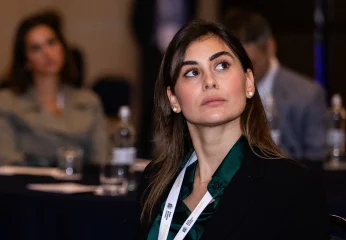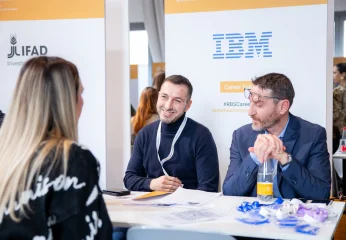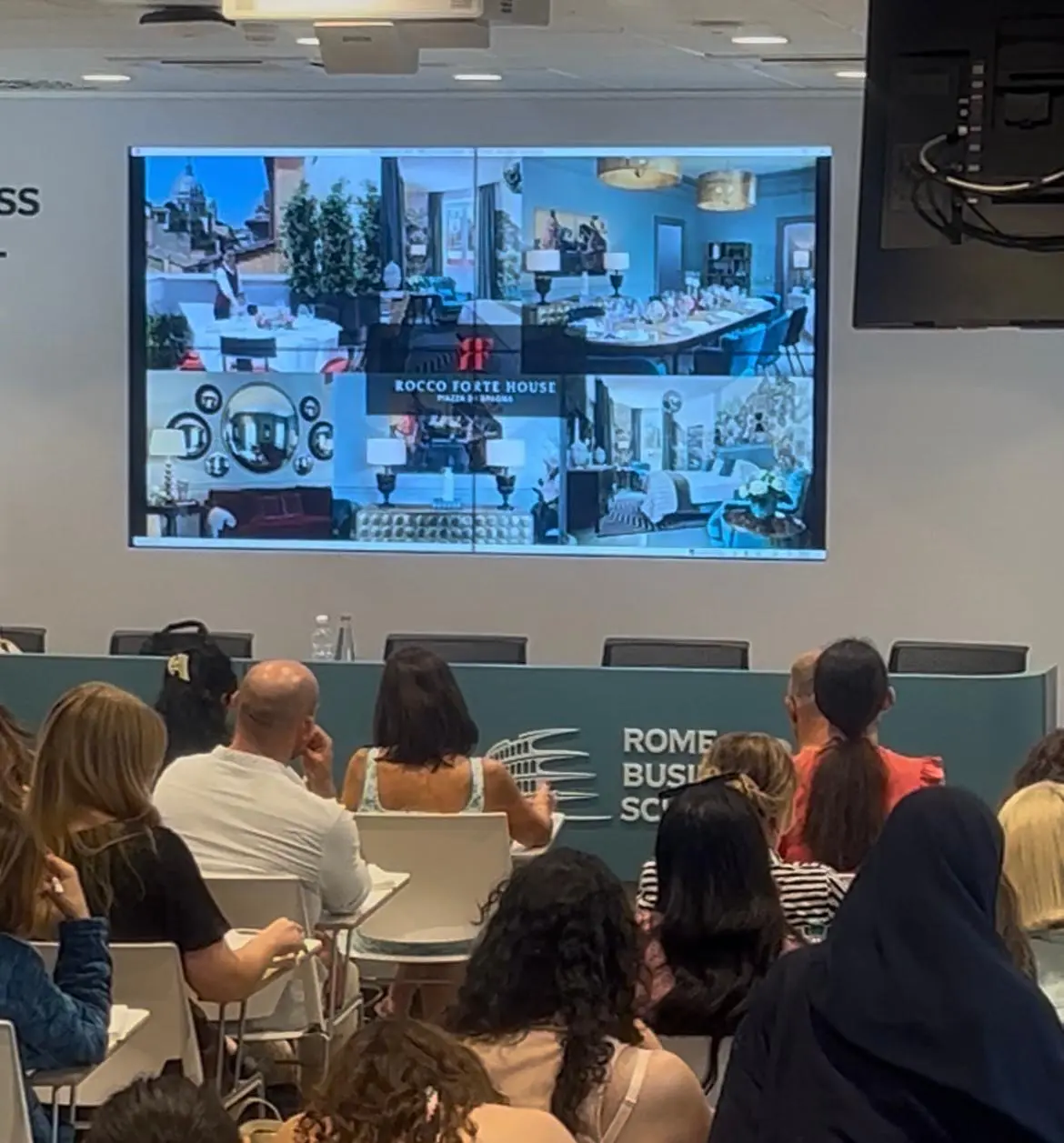
The hospitality industry is undergoing a profound transformation. While travelers increasingly seek authentic experiences deeply connected to local culture, human resource management and sector reputation face unprecedented challenges. During the last 23 September Company Visit organized by Rome Business School, our students—particularly those focused on excellence and hotel management—had the opportunity to engage with Lapo Scarlatti, Recruitment Manager at Rocco Forte Hotels Italy. It was a unique occasion to discover how a leading international group tackles contemporary market challenges, offering invaluable insights for anyone aspiring to lead the future of luxury and fine dining.
In contemporary hospitality, true luxury does not lie in standardization, but in a strong, bespoke identity. Successful properties reflect the spirit and life of the cities that host them, transforming into true cultural landmarks. Whether it is a historic view in the heart of a capital, a charming countryside retreat, or private residences offering intimate and dynamic stays, product differentiation is the key to winning over increasingly demanding travelers. Each property must tell a unique story, where local heritage and the human factor blend to deliver an experience that goes far beyond a simple stay.
Why does the hospitality sector sometimes struggle to attract and retain new generations of professionals? To understand the present, we must courageously analyze the critical issues that have historically weighed down the industry’s reputation:
Tackling these issues is not just an ethical matter; it is a strategic necessity for anyone aiming to innovate the hospitality ecosystem.
To restore attractiveness to the sector, forward-thinking companies are radically redesigning internal organizational models. Saying goodbye to grueling schedules and structuring workflows around sustainable 8-hour, 5-day workweeks is now a fundamental first step to safeguarding team wellbeing. Concurrently, introducing innovative formulas to reward service quality—such as financial incentives tied directly to guest appreciation and equitably distributed among team members—helps elevate frontline roles. This is paired with personalized growth pathways, digital training academies for upskilling, and a strong push toward internal mobility to retain top talent and accelerate career progression.
Modern luxury cannot exist without social responsibility, built upon the triad of people, community, and planet. In the Food & Beverage sector, this translates into the rigorous enhancement of local raw materials, the drastic reduction of waste and plastics, and the promotion of short supply chains—including farm-to-table agricultural and horticultural production directly integrated into the hospitality experience. For future F&B managers, understanding how sustainability and supply chain curation can become narrative and economic pillars is the key to successfully leading tomorrow’s high-end dining and hospitality ventures.
Ready to Turn Your Passion for Excellence into a Global Career? The future of tourism and hospitality demands prepared leaders capable of blending strategic vision, human resource management, and sustainability. Take your career to the next level with the International Master in Food & Beverage Management at Rome Business School: discover the full program and get ready to become a leader in the industry.