Blending entertainment, emotion, and economic value is one of the toughest challenges in the entertainment industry. The Walt Disney Company has turned this challenge into a competitive advantage, making storytelling a strategic asset that connects cinema, theme parks, media, and digital platforms. This approach was at the center of a workshop dedicated to the Disney model, offering a concrete example of how stories can drive business value.
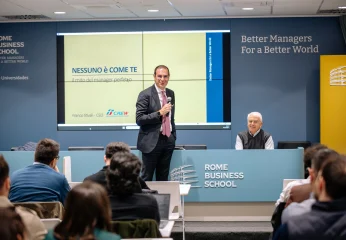
Drawing on insights shared by Ilaria Baioni, Marketing & PR Manager Italy, the discussion with students from Rome Business School explored how Disney does not simply tell stories. Instead, it designs them as immersive, coherent, and globally recognizable experiences.
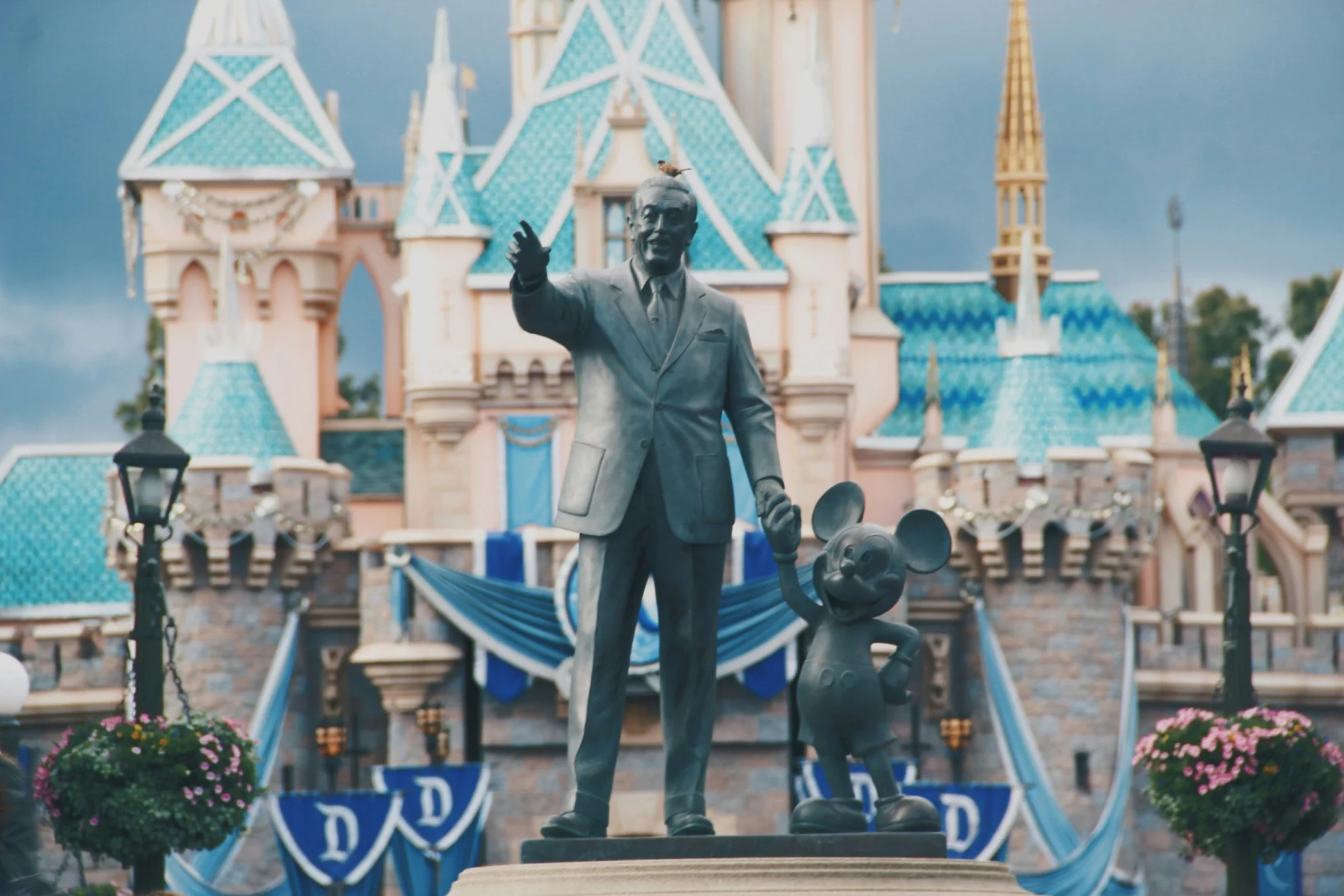
From the outset, Disney’s vision for its parks was clear: bring stories into the real world and let audiences step inside them. Disney parks are not traditional amusement parks. They function as narrative environments, built like themed cities where architecture, pathways, attractions, and live entertainment all serve the same story.
This narrative-driven approach still shapes park development today. Each area becomes a self-contained universe inspired by iconic characters and stories, yet seamlessly integrated into a broader experience. Visitors are free to explore, choose their path, and create their own personal journey within the story.
Within the Disney ecosystem, Disneyland Paris stands out as one of the most compelling examples of this strategy in action. Hosting millions of visitors every year and employing thousands of people from dozens of countries, the resort goes far beyond the role of a tourist destination. It operates as a cultural, creative, and industrial hub with a significant impact on the local economy.
Its multicultural dimension plays a crucial role. Through extensive staff training, careful language choices, and meticulous attention to detail, Disney preserves narrative consistency. The result is an experience that feels authentic and engaging for visitors of different ages, cultures, and backgrounds.
At Disney, storytelling does not sit on the sidelines of communication. It lies at the core of marketing strategy. Rather than promoting individual attractions, Disney invites audiences to enter a story and become part of it.
This logic also drives the evolution of the brand’s offerings. A clear example is the transformation of Disneyland Paris’s second park into Disney Adventure World. This repositioning embraces a more contemporary idea of adventure, blending new technologies and storytelling languages to appeal not only to families, but also to young adults.
A key strength of the Disney model is its ability to engage different targets without weakening its brand identity. The value proposition remains consistent, but the way it is communicated adapts. Families, couples, and young adults interact with the brand through different channels, touchpoints, and tones of voice.
In this context, digital platforms and social media play a decisive role. They are not just informational tools, but spaces where experiences are shared, amplified, and extended over time—long after the visit ends.
Nothing in the Disney universe is ever final. Stories evolve, spaces change, and narrative worlds continue to expand. Films, parks, and platforms interact in a continuous loop, constantly reinforcing one another.
This dynamic, interconnected approach explains why the Disney model remains a benchmark for professionals in marketing, communication, and brand strategy. Here, storytelling is not decoration: it is the infrastructure on which the entire business is built.