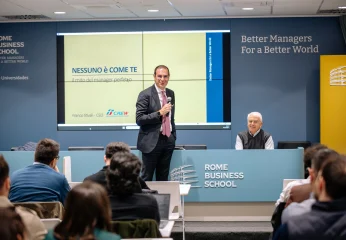
Rome Business School recently hosted a transformative Alumni Workshop led by Maria Luisa Garofalo. The session, titled “Inclusive Leadership: Breaking Gender Barriers,” provided a deep dive into how gender diversity strengthens organizational dynamics. Moreover, it explored the strategic necessity of overcoming biases to create a truly equitable workplace.
Progress toward inclusion often starts with acknowledging unconscious bias. These are instinctive distortions of reasoning—associations our brains create outside of our awareness. Consequently, these reactive responses to “difference” impact both employee well-being and business performance.
During the workshop, several critical manifestations of gender bias in leadership emerged. For example:
A key takeaway from the workshop was the distinction between diversity and inclusion. While diversity is simply “having different people in a room,” inclusion is the perception of psychological safety. It is the ability for every individual to contribute their unique perspective without fear of judgment. Each person must feel they have the opportunity to share views that might differ from the majority.
As the 2025 Global Gender Gap Report indicates, the gap is closing slowly, reaching 68.8% this year. However, challenges remain significant. In the EU, for instance, women held only 34.7% of managerial positions in 2021. Furthermore, in the private sector, the representation of women in senior leadership roles remains stagnant at 29%.
Inclusive leadership is not merely a matter of fairness; it is a driver of competitive advantage. Companies that embrace DEI (Diversity, Equity, and Inclusion) are better equipped to respond to global challenges. Specifically, they benefit from:
The Forbes 2025 Power List reflects this shift. From AI pioneers like Julie Sweet to financial leaders like Jane Fraser, women are now commanding unprecedented authority over global capital and technical frontiers.
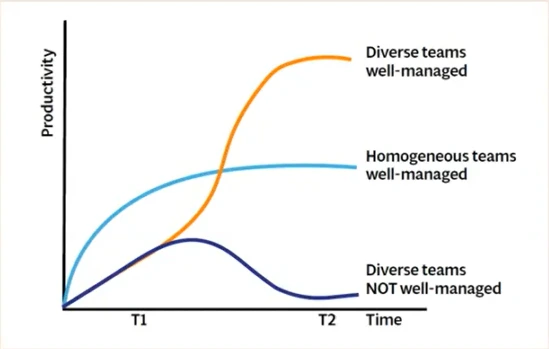
To move forward, Garofalo emphasized that we must view every HR process through a DEI lens. This transformation turns standard procedures into powerful inclusion engines:
The workshop concluded with a provocative debate on gender quotas. While quotas accelerate diversity and innovation, they can also risk “tokenism” or resentment. Ultimately, the consensus was clear: inclusive leadership is not about “fixing women” to fit a male-centric mold. Instead, it is about fixing the systems that suppress talent. By validating diverse leadership styles, organizations can finally unlock the full performance potential of their entire workforce.