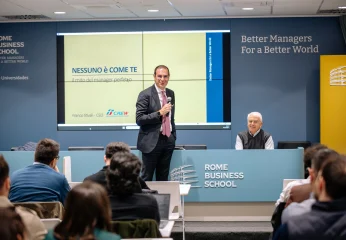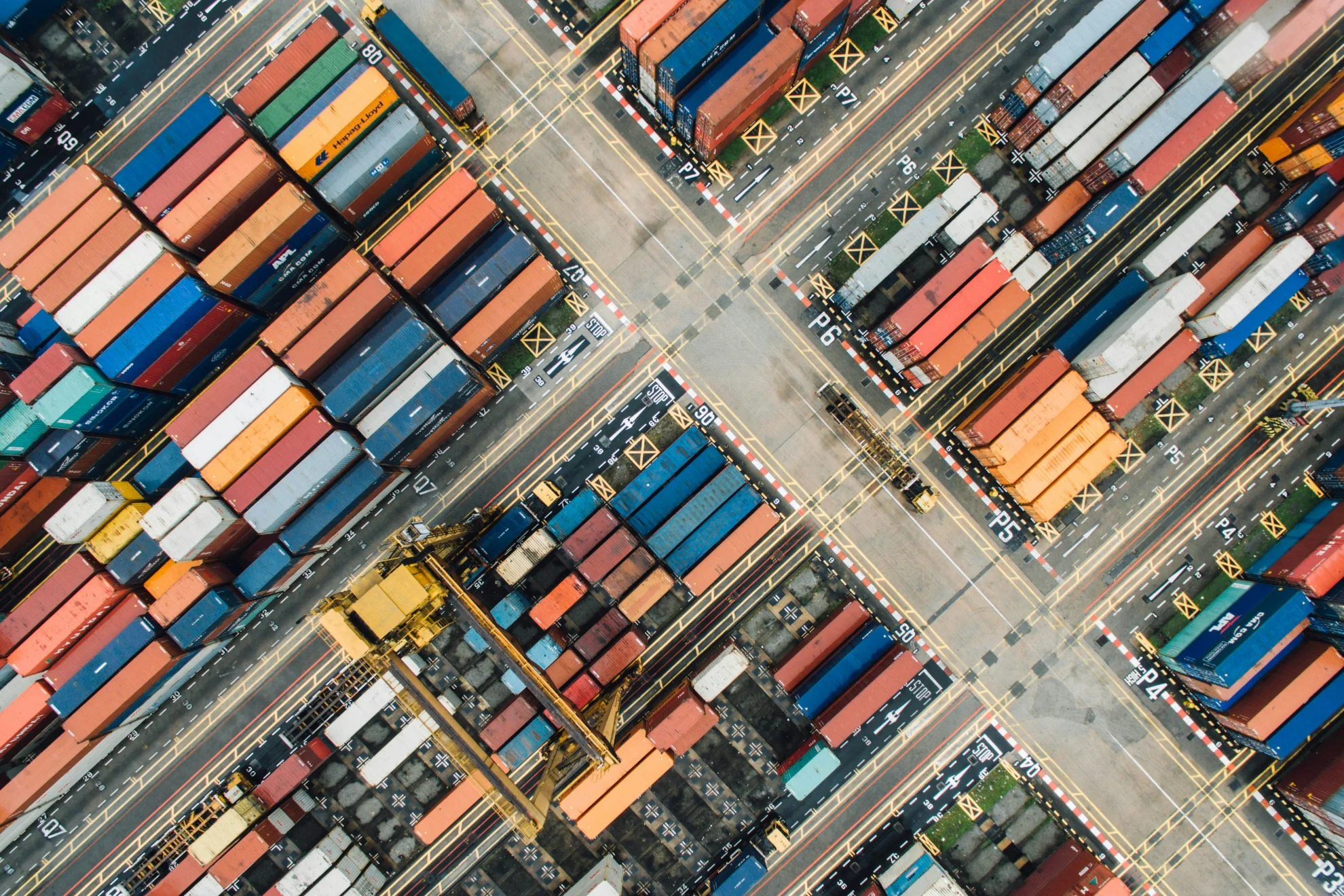
How do the world’s leading logistics platforms operate? Which strategies drive a group that serves millions of customers across 220 countries? DHL continuously invests in sustainability and digital innovation to maintain its market edge. Lisa Linzbach, Director of Global Sustainability Strategy at DHL Supply Chain, shared these insights during an exclusive company visit for Rome Business School students.
The organization manages a complex structure of 600,000 employees and five specialized business units. This integration allows DHL to oversee the entire spectrum of logistics services. Reliability, extensive reach, and vertical expertise secure the group’s global leadership. “Our scale represents both an opportunity and a profound responsibility,” Linzbach emphasized.
Today’s competitive landscape evolves rapidly. International trade, e-commerce growth, and climate change redefine the sector. Consequently, the industry demands professionals with advanced technical and analytical capabilities.
DHL’s environmental commitment is a core pillar of its corporate strategy. The group aims to decarbonize every stage of the supply chain. This mission involves optimizing vehicles, infrastructure, and packaging solutions.
The DHL model integrates operational efficiency with technological breakthroughs. The group focuses on advanced route planning and vehicle aerodynamics. Furthermore, DHL introduces alternative fuels like electricity and biofuels. The company selects these technologies based on the specific maturity of local markets.
A rigorous system identifies the optimal technology for each country. DHL evaluates cost, reliability, and environmental impact before implementation. Once a solution meets these standards, its adoption becomes mandatory. This strategic approach accelerates the green transition across the entire global network.
Digitalization serves as a second strategic axis. Artificial Intelligence now enhances warehouse efficiency and delivery precision. AI effectively reduces operational errors, costs, and carbon emissions. Applications range from predictive maintenance to the automation of complex information flows.
A significant innovation is Opticarton. This AI-driven technology calculates the ideal dimensions for packaging. It minimizes cardboard waste and optimizes space. This case proves that digital transformation and environmental efficiency can progress in perfect alignment.
The transition toward sustainability requires robust governance alongside technology. Linzbach highlighted the necessity of integrating environmental targets into decision-making. DHL incorporates these goals into performance evaluations and incentive systems. This framework transforms corporate commitments into measurable global results.
This visit provided Rome Business School students with a deep understanding of international logistics. The session highlighted the essential skills for future executives: systemic vision, analytical rigor, and digital mastery. These qualities define the talent capable of governing the supply chains of tomorrow.