Understanding how a global cultural institution truly works requires more than a simple visit. It means observing processes, people, and daily operations from the inside.
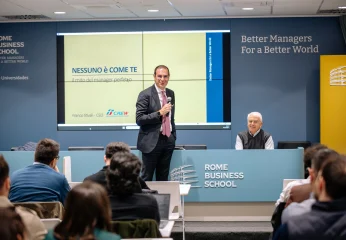
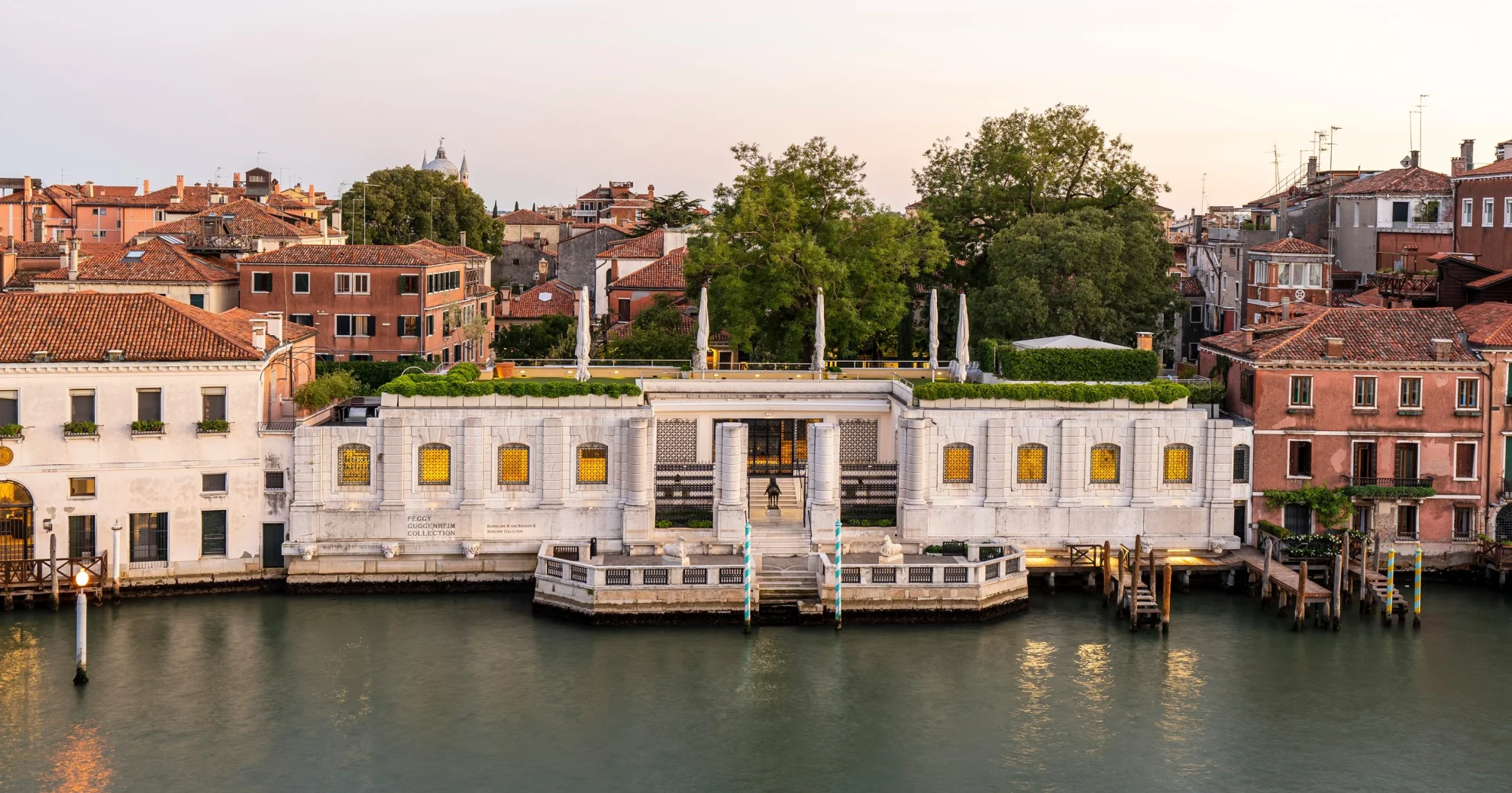
With this goal, students from Rome Business School joined a company presentation by the Peggy Guggenheim Collection. The session focused on the International Fellowship Program, a unique path combining education, hands-on experience, and international exposure.
The meeting was led by Phoebe James, Education & Engagement Programme Manager. She explained how the Venetian museum is not only an exhibition space but also an active educational platform. It offers participants from around the world a direct and immersive experience.
One of the key aspects of the program is its practical nature. Fellows do not simply observe museum activities. They actively contribute to them.
Participants are involved in presentations about Peggy Guggenheim and the collection. They support guided tours and take part in creative workshops for families and schools. They also contribute to public programs and interact with visitors from diverse backgrounds.
This approach transforms the museum into a dynamic space. Cultural knowledge is shared through direct experience and human interaction.
The program also offers insight into how a museum operates internally. Fellows collaborate with different departments, including Education, Visitor Services, and Events.
This cross-functional experience helps participants understand the complexity of an international cultural institution. Educational activities, space management, and cultural programming are closely connected.
Rather than focusing on a single role, fellows gain a broad operational perspective. They also contribute to specific projects developed with internal teams.
In addition to practical work, the program includes a strong academic dimension. Fellows can access museum resources such as the library and research materials.
Each participant develops an individual project. The experience concludes with a final seminar presentation, where fellows share their work.
This combination of practice and research builds analytical and communication skills. It prepares participants to interpret and share cultural content with a critical approach.
The program is designed for candidates with a background in art history or related fields. It offers a valuable opportunity to engage with a leading global cultural institution.
Applications for the 2026 cycle are already closed. The program will return in 2027 with a similar structure, confirming its continuity and long-term value.
Hosting organizations like the Peggy Guggenheim Collection highlights the commitment of Rome Business School to connecting students with international realities.
In today’s world, culture, education, and social impact play a growing role. Experiences like this help students understand how institutions create value through people, skills, and public engagement.
They also provide practical tools to shape future career paths in the cultural sector.