In today’s cultural landscape, art and performance venues must become living spaces. They should surprise, engage, and continuously offer value to their audiences.
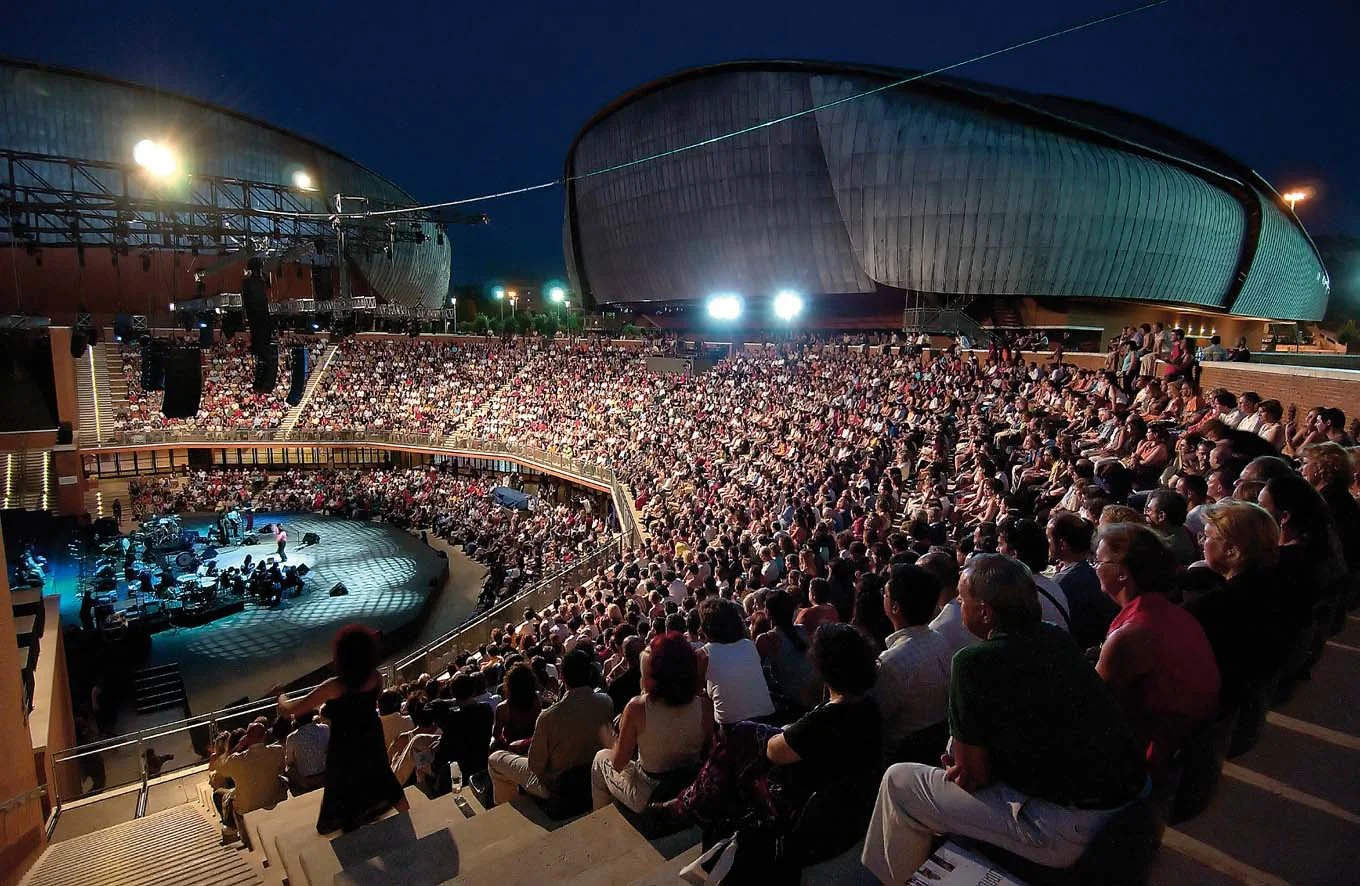
In this context, the Fondazione Musica per Roma, which manages the Auditorium Parco della Musica “Ennio Morricone”, represents a clear example of cultural transformation. By combining creativity, innovation, and organizational strategy, the Foundation delivers artistic experiences that are both unique and accessible.
Originally founded to promote Italian arts and culture, the Foundation has gradually expanded its activities. Over time, its program has grown beyond classical music and jazz, now including emerging companies, circus performances, conferences, and innovative festivals.
As a result, audiences have become more diverse, and at the same time, the Auditorium has evolved into a true cultural district.
It is now one of the largest in Europe and is actively experienced by citizens every day.
So, what is the key to this success? It is not only a rich and varied program; more importantly, it is a strategic vision. This vision integrates experimentation, sustainability, and digitalization. Consequently, it has created a dynamic and inclusive cultural ecosystem.
After more than twenty years of activity, the Foundation identified a clear need for change: staff skills and internal processes required updating.
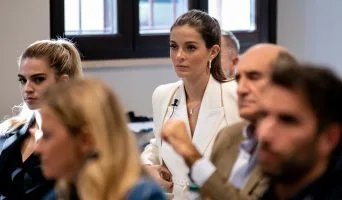
For this reason, the organization launched the “Cantieri Reloaded” (Reloaded Workshops) program. Through these workshops, teams worked together to design new formats, review management processes, and define strategies for long-term economic sustainability.
Moreover, the workshops focused on several key areas:
Thanks to this process, the Foundation developed a new organizational culture based on collaboration and co-design.
It also combines internal expertise with external perspectives. As a result, the Auditorium has become a living, flexible, and innovation-oriented space.
The Fondazione Musica per Roma is a clear example of how culture can function as a strategic resource. By effectively linking artistic quality with economic impact, the Foundation transforms concerts and festivals into cultural and narrative experiences.
Within these experiences, audiences, artists, and local communities engage with one another, fostering both participation and strong brand visibility.
At the same time, putting these strategies into practice requires specific skills. This is why ongoing education is essential.
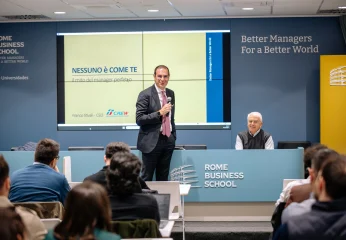
For instance, programs at Rome Business School provide practical tools to analyze successful case studies and strengthen cultural and strategic management capabilities. Above all, they show how creativity can be translated into concrete, measurable outcomes. Through workshops, project work, and experiential labs, students can explore how storytelling, branding, and innovation generate value in both cultural and business contexts.
In conclusion, the Fondazione Musica per Roma shows that culture and strategic management are deeply connected: they are not separate worlds. Instead, they work together within an ecosystem that generates social, economic, and artistic impact.
Thanks to participatory processes, ongoing training, and a strong focus on innovation, the Auditorium Parco della Musica is more than a performance venue: it stands as a cultural, creative, and sustainable laboratory.
Therefore, it represents a model of excellence for students and professionals interested in culture, management, and strategic development.