




During the first module of the Master in Energy Management, students will learn notions of:
- Economics
This module aims to prepare students by providing them with the essentials of entrepreneurship and business planning. - Geopolitics
Learn how global conflicts and trade rules affect business and how to make smart decisions in a changing world. - Management accounting for decision-making
Understand the financial aspects of business decisions through key tools such as cost management, budgeting, CVP analysis and investment appraisal. - Business Strategy
Through this module, students will know how to understand the long-term direction and strategy of a company, and will be able to identify the strategic business units of organizations. - Accounting & Budgeting
This module is aimed at students understanding the importance of financial management and control principles, with key indicators such as ROI, EBIT, GAAP. - Project & Operations Management
With this module, students will be able to manage projects, examine data and information, and have a diagnostic approach in solving problems. - Marketing: Traditional and Digital
Students will learn the application of marketing principles in organizational decision making. - Human Resource Management
This subject area focuses on strategic human resource issues such as workforce acquisition, development, motivation and retention. - Data Analytics for Managers
This course is designed to equip students with the basic knowledge needed to analyze and interpret large sets of data, to make effective business decisions and strategies.
During the second module, you will learn:
- The Global Energy Ecosystem & Fundamentals of Oil, Gas, Power Business, Electricity
- Energy Life Cycle and Energy Trading
- Geopolitical Scenario and Energy Transition
- Electricity Markets
- Commodities Markets and Supply Chain management
- Energy Management
- Energy Sustainability
- Green Economy in a Sustainable Environment
- Project Financing and Evaluation
- Energy Risk Management
- Generation and Retail Management in the Energy Industry
- Conventional energies
- Renewable Energies
- Business models: Retail activities, stakeholders’ roles
- Energy Law and Taxation
- Energy Policy, regulations, and Regulatory Authorities
- Regulations, Standards and Energy Audits
During the third module students will explore:
- Shaping the Future Energy Ecosystem
- Megatrends in the Energy Ecosystem: Project Management and Communication
- Sustainable Innovation, Sustainability reports, Stakeholders and ESG platforms
- Energy Technology in Action
- Big data, Industry 4.0, and Artificial Intelligence Applied to the Energy Industry
- Smart grid, Smart Mobility, Smart Cities and Internet of Things
- Value creation, Building ethical and responsible organizations
The goal of Rome Business School is to develop future managers, entrepreneurs, and professionals who are ready to capitalize on the benefits of digitalization, go global, and have a positive impact on society.
Electives are ideal tools for students to improve their employability by focusing on high-demand skills.
- Electives assist students in carving out a niche for themselves and becoming more competitive.
- Electives expose students to courses they might not have encountered otherwise.
- Electives provide a one-of-a-kind curriculum that fosters life and career skills.
- Elective courses are organized in 6 main areas of interest:
- Innovation & Growth
- Tech & Digitalization
- Industry Business Excellence
- Industry Verticals
- Global Electives with RBS School partners
- Preparation for Professional Certification
The Rome Business School Practice Lab is a place where participants learn by doing and applying theoretical principles.

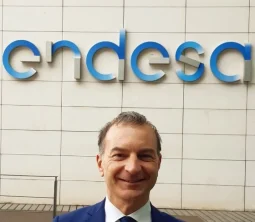
Meet the managers, and do a 10hs-hands class working on the ENEL project. students are expected to apply the skills and knowledge learned to a live project, making an in-depth analysis and recommendations for actions that can realistically be implemented by the client company.
The Global Trends lab consists of 2 virtual sessions:
Session 1: How to Find Sources to identify global trends. Deep dive into the global world trends shaping the world of today – guest speakers from UN, UNIDO, ILO. Examples of Global Trends:
- The Future of Work
- AI, Blockchain, and Technology
- The World in 2030 – Future Scenarios (UN, IMF, ECB)
Session 2: Understand the impact of global trends on businesses, and explore ways in which businesses can adapt and transform based on future trends and forward-thinking strategies.
By the conclusion of your experience, you will have the opportunity to demonstrate your abilities by working on a real business problem. Use your skills to spot chances and develop a strategy that is truly innovative.
You can make the difference!
Show your abilities and put the knowledge you’ve learned during your educational path into practice.
Be a company leader and choose from two main options for your final project.